

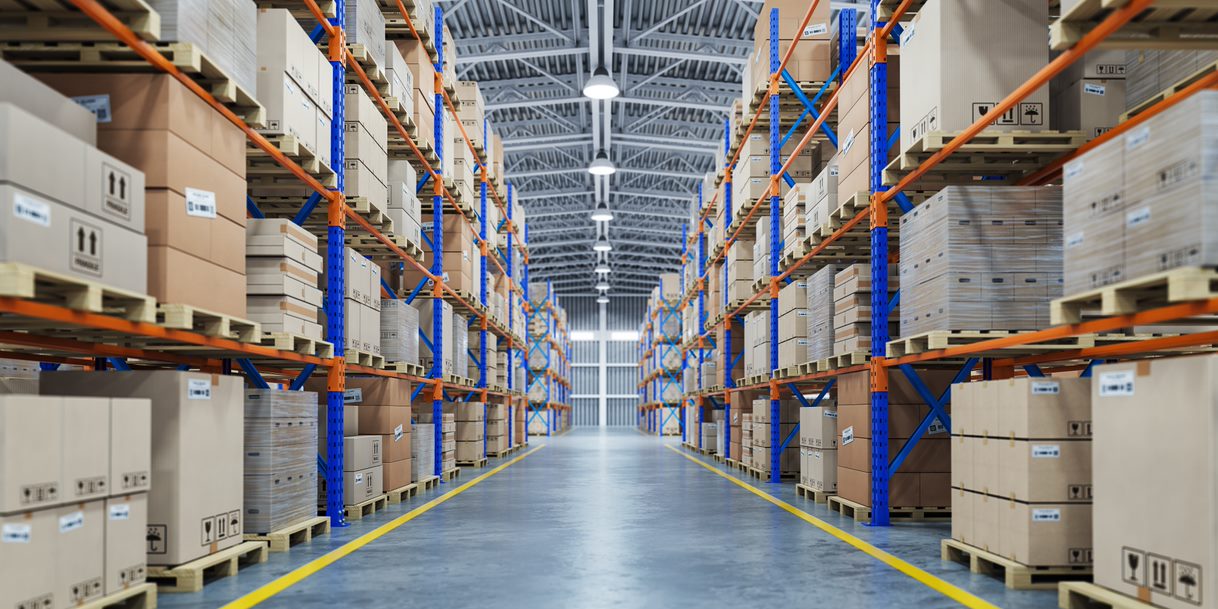
In today’s fast-moving business environment, supply chain performance plays a critical role in customer satisfaction and business growth. One of the most influential yet often underestimated elements of a strong supply chain is warehousing space. The right warehouse setup can improve speed, accuracy, cost control, and overall operational efficiency. For businesses operating in competitive markets, warehousing is no longer just about storage—it is a strategic advantage.
Modern supply chains rely on smart infrastructure, and choosing the right warehouse for rent can significantly shape how efficiently goods move from suppliers to customers. When warehousing space is planned well, it reduces delays, lowers costs, and improves service levels. This makes warehousing decisions especially important for startups, growing brands, and established businesses alike.
The Role of Warehousing in Supply Chain Efficiency
Warehousing acts as the backbone of the supply chain. It connects production, transportation, and distribution into one seamless flow. A well-located and well-designed warehouse helps businesses store inventory closer to demand points, reducing delivery time and transportation expenses. Faster order fulfillment directly improves customer trust and brand reputation.
Efficient warehousing also supports better inventory control. With organized storage layouts and proper space utilization, businesses can track stock levels accurately, avoid overstocking, and reduce losses due to damage or expiry. This level of control leads to smoother operations and predictable supply chain performance.
Space Optimization Improves Speed and Accuracy
The size and layout of a warehouse directly impact daily operations. A cramped or poorly designed space can slow down picking, packing, and dispatch processes. On the other hand, a well-structured warehouse allows smooth movement of goods, equipment, and staff.
Adequate space enables clear zoning for receiving, storage, packing, and shipping. This reduces errors and improves order accuracy. When employees can locate items quickly, orders are processed faster, leading to shorter delivery timelines and happier customers.
Flexibility Supports Business Growth
Business needs change over time. Seasonal demand, product expansion, or market growth can quickly make an existing warehouse insufficient. Choosing a flexible warehouse option allows businesses to scale operations without disruption.
A strategically chosen warehouse for rent offers adaptability. Businesses can increase or reduce space based on demand without heavy long-term commitments. This flexibility is especially valuable for young entrepreneurs and fast-growing companies aiming to stay agile in a competitive environment.
Cost Control and Operational Savings
Warehousing decisions have a direct impact on operating costs. Poorly planned storage can increase handling time, labor costs, and energy consumption. Efficient warehouse space helps streamline workflows and reduces unnecessary movement, saving both time and money.
Additionally, optimized warehousing reduces dependency on emergency shipments and last-minute logistics solutions, which are often expensive. Better storage planning results in predictable costs and improved profit margins.
Technology Works Best with the Right Space
Modern supply chains increasingly rely on automation and digital systems. Technologies like inventory management software, barcode scanning, and automated material handling require adequate space to function effectively.
A well-designed warehouse allows easy integration of these tools, improving visibility across the supply chain. Real-time data, faster processing, and improved decision-making become possible when technology and space planning work together.
Supporting Faster Last-Mile Delivery
Customer expectations for fast delivery continue to rise. Warehousing plays a key role in meeting these expectations. When products are stored in accessible, well-connected locations, last-mile delivery becomes quicker and more reliable.
Efficient warehousing reduces order processing time, enabling same-day or next-day deliveries. This level of service is especially appealing to younger consumers who value speed and convenience.
Conclusion
Warehousing space is no longer just a storage solution, it is a strategic driver of supply chain performance. From improving speed and accuracy to controlling costs and supporting growth, the right warehousing setup strengthens every stage of the supply chain. Businesses that invest time in choosing the right warehouse for rent gain flexibility, efficiency, and a competitive edge. In a market where customer expectations are high and competition is intense, smart warehousing decisions can make all the difference in building a reliable and high-performing supply chain.