

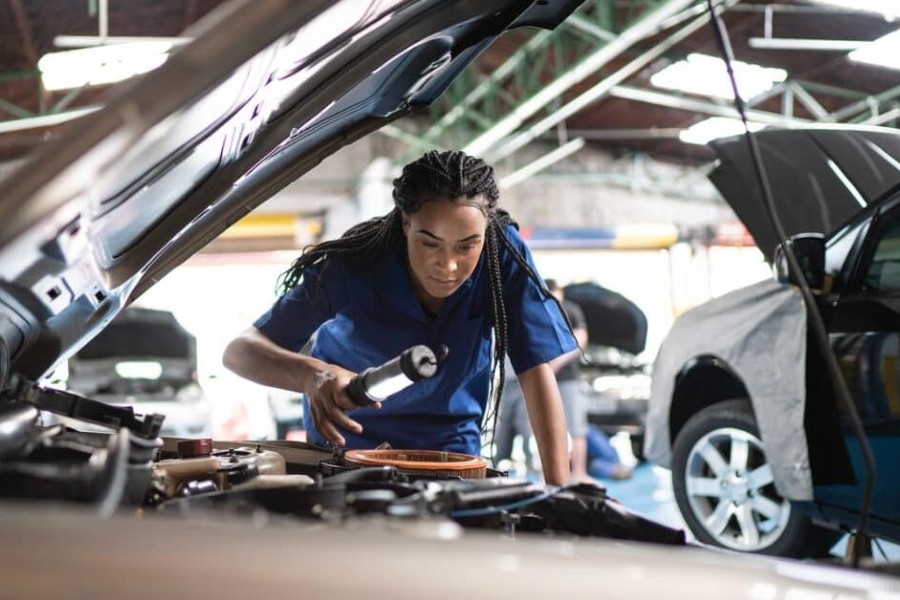
The automotive repair industry has evolved rapidly over the past decade, with technology reshaping how garages operate, serve customers, and manage workflows. One of the most transformative developments is automation in modern auto repair shop operations, which has revolutionized everything from diagnostics and scheduling to inventory management and customer communication. Automation allows shop owners to streamline repetitive tasks, reduce human errors, and boost overall efficiency. As vehicles become more advanced and customer expectations rise, adopting automated solutions is no longer optional—it’s essential for staying competitive in today’s market.
Understanding Automation in Auto Repair Shops
Automation in the context of auto repair means using digital tools, software, and integrated systems to manage and execute routine processes without constant manual intervention. These systems handle repetitive and time-consuming tasks such as appointment scheduling, work order creation, inventory tracking, invoicing, and even customer engagement.
Unlike traditional methods that depend on handwritten notes, spreadsheets, or isolated systems, automation provides seamless synchronization between all shop departments. The result is a connected, data-driven environment that improves accuracy, accelerates decision-making, and optimizes every part of the workflow.
Why Automation Matters in Today’s Auto Repair Industry
The demand for faster, more accurate, and transparent service has grown exponentially. Customers expect real-time updates, precise estimates, and minimal delays. Meanwhile, shop owners face challenges like labor shortages, fluctuating part costs, and increasing competition. Automation bridges these gaps by ensuring consistent, reliable performance across all operations.
Key advantages include:
- Enhanced productivity through reduced manual tasks
- Improved accuracy in diagnostics, billing, and recordkeeping
- Faster turnaround times for vehicle repairs
- Greater transparency and communication with customers
- Data-driven insights for better management decisions
Automation not only saves time but also improves customer satisfaction by ensuring consistent service quality.
Automation in Diagnostic Processes
The repair process begins with diagnostics, and automation plays a major role here. Modern vehicles are equipped with complex electronic systems and sensors that generate large volumes of data. Automated diagnostic tools connect directly to these systems and analyze the data in real time.
Benefits of automated diagnostics:
- Faster identification of issues compared to manual testing
- Reduced human error in interpreting codes and signals
- Integration with vehicle history for pattern recognition
- Ability to predict potential failures before they happen
For instance, automated scanners can immediately detect malfunction codes and suggest the best repair solutions. This reduces guesswork and ensures technicians can focus on accurate, timely repairs.
Streamlining Scheduling and Work Order Management
Scheduling inefficiencies are one of the biggest productivity killers in auto repair shops. With automation, appointment booking, job allocation, and technician scheduling can be managed seamlessly.
Automation in scheduling enables:
- Online appointment booking that syncs with the shop’s calendar
- Automatic technician assignment based on skill and availability
- Real-time updates to customers about repair progress
- Automatic alerts for rescheduling or delays
Automated work order management allows service advisors to create digital repair orders instantly, attach photos or notes, and track each job from start to finish. This visibility helps managers monitor technician workloads and job completion times with ease.
Enhancing Customer Communication and Engagement
Customer experience is a defining factor in the success of any repair shop. Automation simplifies communication by keeping customers informed every step of the way.
Examples of automated customer engagement:
- Automated text or email notifications for appointment confirmations and job status updates
- Digital vehicle inspection (DVI) reports with photos and videos of repairs
- Follow-up reminders for maintenance and service intervals
- Automated review requests after job completion
By maintaining transparency and consistency, automation builds trust and long-term loyalty. Customers appreciate being informed without having to make repeated calls to the shop.
Automating Inventory Management
Inventory control can make or break repair shop efficiency. Overstocking ties up capital, while understocking delays repairs. Automated systems monitor inventory in real time and generate alerts when supplies run low or when certain parts are frequently used.
Key benefits of automated inventory systems:
- Real-time visibility of parts and supplies across all locations
- Automatic reordering based on usage patterns and thresholds
- Vendor integration for faster procurement
- Reduced waste and better cost management
Automation also eliminates manual data entry errors, ensuring that inventory counts remain accurate and up to date.
Streamlined Invoicing and Payment Processing
Billing and payments are often tedious and prone to errors when handled manually. Automation simplifies these processes by linking completed work orders directly to the invoicing system.
Automated billing features include:
- Automatic calculation of labor, parts, and taxes
- Integration with accounting systems for seamless reconciliation
- Instant invoice generation and digital delivery to customers
- Multiple payment options, including mobile and online payments
This level of automation not only speeds up cash flow but also enhances professionalism and accuracy in every financial transaction.
Improving Technician Efficiency and Accountability
Automation helps shop managers monitor technician performance through real-time data tracking. Each technician’s assigned jobs, time logs, and repair completion rates are automatically recorded, creating measurable performance metrics.
How automation benefits technicians:
- Digital work orders reduce confusion and delays
- Automated time tracking ensures fair labor billing
- Access to detailed repair histories and manuals improves accuracy
- Performance analytics identify areas for training or improvement
These systems promote accountability while allowing technicians to focus on quality repairs rather than administrative tasks.
Predictive Maintenance and Data Analytics
Automation extends beyond daily operations into predictive maintenance, a key innovation in the automotive repair industry. By analyzing vehicle data trends, automated systems can predict when specific components are likely to fail or require service.
Predictive automation delivers:
- Proactive service scheduling to prevent breakdowns
- Data-driven insights for recurring issues
- Improved inventory planning for upcoming repairs
- Enhanced customer trust through preventative care
This predictive capability reduces downtime and builds stronger customer relationships, as clients appreciate the foresight and reliability of proactive maintenance reminders.
Integrating Cloud-Based Solutions for Scalability
Cloud technology is the backbone of modern automation. Cloud-based auto repair shop software enables seamless access to data from any device, making it ideal for multi-location shops or mobile technicians.
Advantages of cloud-based automation include:
- Real-time synchronization of customer and vehicle data
- Secure data storage with automatic backups
- Accessibility from multiple devices and locations
- Easier collaboration between staff and management
Cloud automation ensures business continuity even if local systems fail, keeping the operation running smoothly without interruptions.
Enhancing Compliance and Documentation
Auto repair shops must comply with various local and federal regulations, such as emissions standards, warranties, and safety protocols. Manual documentation can be cumbersome and error-prone, but automation simplifies compliance tracking.
Automated compliance tools offer:
- Automatic storage of repair histories and inspection records
- Time-stamped approvals for customer authorization
- Secure documentation for audits and warranty claims
- Easy retrieval of digital records for future reference
This automation not only ensures compliance but also safeguards the shop from potential disputes or regulatory issues.
Boosting Marketing and Customer Retention
Automation also plays a strategic role in customer retention and marketing. With built-in marketing automation, repair shops can stay connected with clients through personalized offers, reminders, and seasonal promotions.
Examples of marketing automation:
- Automated email campaigns for service discounts or promotions
- Birthday or anniversary offers for loyal customers
- Maintenance reminders based on service intervals
- Integration with review platforms to collect customer feedback
These automated campaigns nurture customer relationships and encourage repeat visits without requiring constant manual input.
Reducing Administrative Burden for Managers
Managing a repair shop involves juggling multiple responsibilities, from financial oversight to team management. Automation alleviates this burden by centralizing data and automating key administrative functions.
Managerial benefits of automation:
- Consolidated dashboards showing performance metrics
- Automated payroll calculations based on technician hours
- Real-time financial reporting and trend analysis
- Faster decision-making supported by accurate data
This allows owners and managers to focus on strategic growth rather than repetitive operational tasks.
The Long-Term Impact of Automation on Profitability
Implementing automation in repair shop operations directly impacts profitability. By reducing manual errors, optimizing time usage, and improving customer satisfaction, shops can handle more jobs with fewer resources.
Profit-enhancing outcomes include:
- Increased technician productivity and shop throughput
- Faster repair cycles leading to higher job turnover
- Reduced overhead costs from minimized administrative work
- Higher customer retention through consistent service quality
Over time, automation not only pays for itself but also provides a scalable foundation for future expansion.
Overcoming Challenges in Automation Adoption
While automation offers clear benefits, successful implementation requires planning and adaptability. Common challenges include resistance from staff, upfront costs, and integration with existing systems.
Best practices for smooth adoption:
- Start small with a few automated processes before scaling up
- Provide staff training to ensure comfort with new systems
- Choose cloud-based solutions for easier integration
- Continuously monitor performance and adjust settings as needed
By addressing these challenges early, shops can transition smoothly into a fully automated environment.
FAQs
Q1. Is automation suitable for small auto repair shops?
Yes. Modern solutions are scalable and affordable, allowing even small garages to automate core functions like scheduling, billing, and customer communication.
Q2. How much time can automation save in daily operations?
Depending on the level of implementation, automation can reduce administrative work by 30–50%, allowing more focus on actual repairs and customer service.
Q3. Can automation replace technicians?
No. Automation supports technicians by reducing repetitive tasks and improving accuracy. It enhances productivity but doesn’t replace skilled labor.
Q4. Does automated software require constant internet access?
Most systems are cloud-based, but many also offer offline capabilities. Data automatically syncs when the connection is restored.
Q5. How can automation help during busy repair seasons?
Automation optimizes scheduling, predicts demand, and manages inventory proactively, ensuring your shop runs efficiently even during peak periods.
Automation is no longer just a convenience—it is the driving force behind the efficiency, scalability, and competitiveness of modern auto repair shop operations. By integrating automated solutions across every level of the business, from diagnostics to customer retention, repair shops can operate smarter, deliver faster, and achieve sustainable long-term success.